
Rooted in Hawaiʻi, Growing for the Future: Why Symbrosia Is Expanding SeaGraze® Production
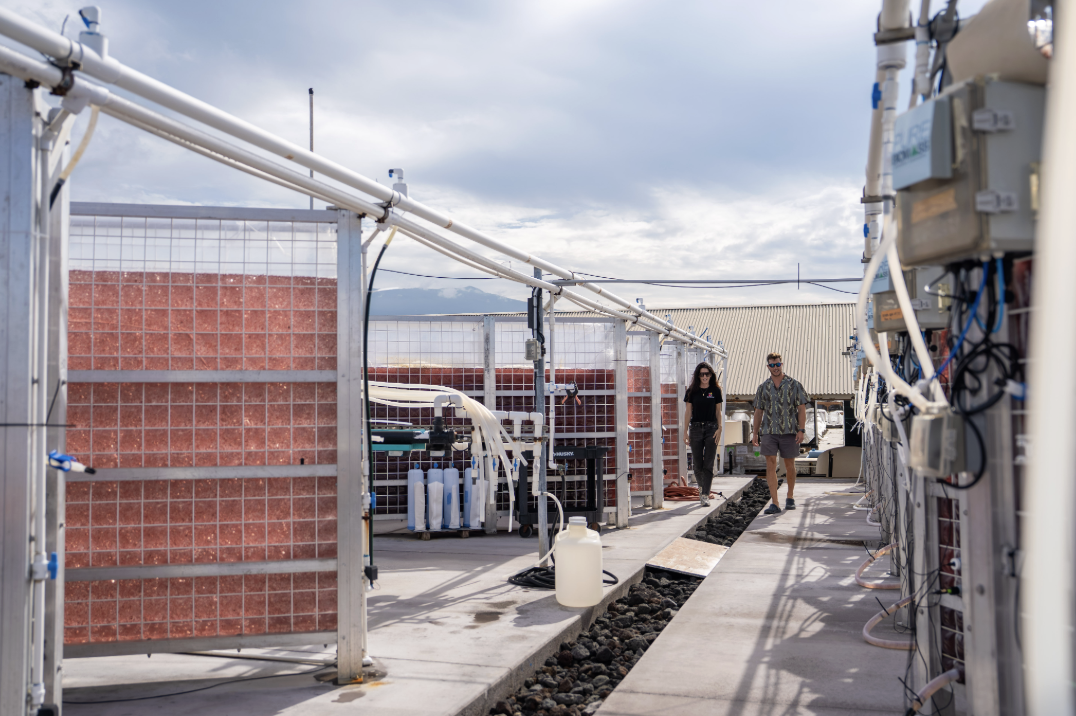
Chief Executive Officer, Alexia Akbay, and Chief Manufacturing Officer, Martin Kennedy, review the results of improvements implemented across the production areas.
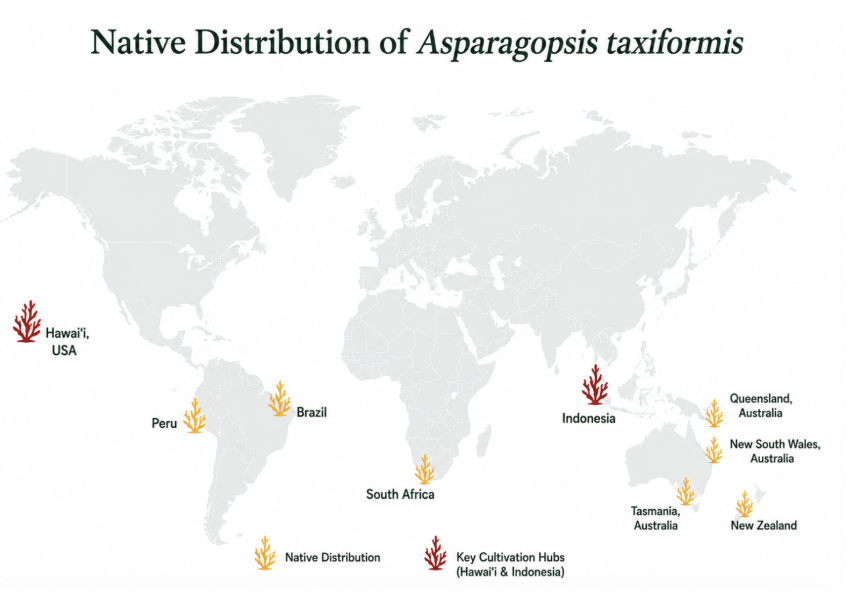
Asparagopsis taxiformis is endemic to tropical and subtropical regions throughout the Indo-Pacific
including Hawaiʻi, Indonesia, Australia, Peru, Brazil, South Africa, and parts of New Zealand (Ní Chualáin, 2002). Over time, it has also spread to places such as the Mediterranean Sea and parts of the Atlantic Ocean, where it is considered an invasive species.
Although it has a broad natural geographic range, Asparagopsis requires specific and unique environmental conditions in order to thrive as a commercial crop. The seaweed grows best in warm, nutrient-rich seawater with year-round bright light. Replicating these conditions is essential for producing high-quality seaweed products at a commercial scale.
When Symbrosia was founded, Hawaiʻi offered everything needed to develop and cultivate Asparagopsis successfully. At the Natural Energy Laboratory of Hawaiʻi Authority (NELHA) in Kailua-Kona, Symbrosia was able to develop farming methods and cultivate highly productive strains of Asparagopsis while refining SeaGraze® into a commercial feed ingredient. Equally as important, the seaweed grows naturally in Hawaiʻi's coastal waters. These natural advantages made Hawaiʻi the ideal place not only to launch the company, but also to prove that large-scale cultivation of Asparagopsis was possible.
Over the past several years, Hawaiʻi has been central to nearly every major milestone in Symbrosia's growth. The company completed one of the first commercial feeding trials demonstrating that Asparagopsis could reduce methane emissions from cattle by more than 80 percent while boosting animal performance. Symbrosia secured $7 million in Series A funding to scale production, established a long-term commercial cultivation site at NELHA, and continued advancing product development and regulatory approvals. The company has also partnered with organizations across Hawaiʻi to invest in the future of the seaweed itself. In 2025, Symbrosia joined NOAA and the University of Hawaiʻi Sea Grant on a restoration initiative to help restore native populations of Asparagopsis taxiformis.
To learn more about Symbrosia's story visit the Our Story Page.
As demand for SeaGraze® continues to grow, so does the need to produce more Asparagopsis. To ensure ranchers and dairy producers around the world have access to an affordable, reliable supply of SeaGraze®, Symbrosia is expanding commercial cultivation operations to Bali, Indonesia. Like Hawaiʻi, Bali offers warm tropical waters, year-round growing conditions, and a long history of seaweed farming.
In the fall of 2026, Symbrosia will transfer its cultivation technology platform to Indonesia, establish a local production team, and identify high-performing Asparagopsis strains.
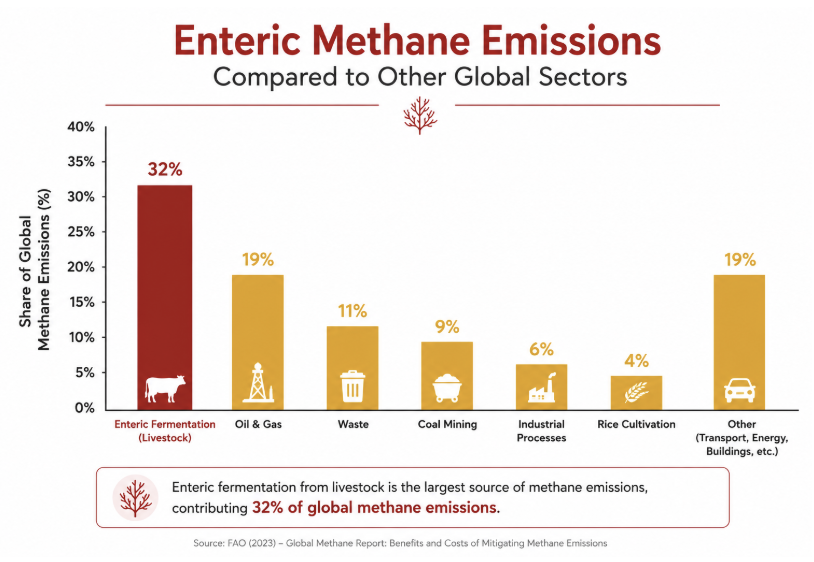
With these foundations in place, Symbrosia’s production will expand tenfold by the end of 2027, paving the way for economically viable production at scale. Scaling production is a critical step toward reducing agricultural methane emissions worldwide and supporting a more sustainable future for livestock production.
Although production is expanding internationally, Hawaiʻi remains at the heart of Symbrosia's story. The research, partnerships, and cultivation technology developed in Hawaiʻi laid the foundation for the company's success and continues to shape its future. As Symbrosia grows, it remains committed to helping ranchers and dairy producers build more profitable, resilient operations while reducing methane emissions at scale.
